Buy sportcamp.eu ?
We are moving the project
sportcamp.eu .
Are you interested in purchasing the domain
sportcamp.eu ?
domain@kv-gmbh.de · 0541-91531010
Buy sportcamp.eu ?
Why don't I have muscle soreness after my beginner fitness training?
Muscle soreness, also known as delayed onset muscle soreness (DOMS), typically occurs when muscles are subjected to unfamiliar or intense physical activity. As a beginner in fitness training, your muscles may not be accustomed to the level of stress placed on them during your workouts, which can lead to soreness. However, if you are not experiencing muscle soreness, it could be due to factors such as proper warm-up and cool-down routines, adequate hydration, and gradually increasing the intensity of your workouts. It's also possible that your body is adapting well to the exercises, resulting in less soreness. **
How to deal with severe muscle soreness after intense fitness training?
To deal with severe muscle soreness after intense fitness training, it's important to prioritize rest and recovery. Allow your body time to heal by taking a break from intense workouts and focusing on gentle stretching and low-impact activities like walking or swimming. Applying ice or heat to the sore muscles can also help alleviate discomfort. Additionally, consider incorporating foam rolling or massage therapy to help release tension and improve circulation in the affected muscles. Lastly, make sure to stay hydrated and consume a balanced diet rich in protein and nutrients to support muscle recovery. **


Similar search terms for Soreness
Top-Angebote
Products related to Soreness:
-
LightInthebox Men's Outdoor Hiking Style Sneakers, Rugged Athletic Lace-Up Shoes for Men, Adventure Street Style for Hiking, Travel, Training Outdoor ActivitiesMaterials:Suede; Season:Spring,Summer,Fall,All Seasons; Gender:Men's; Size Suggestion:standard size, select your usual size; Toe Shape:Round Toe; Style:Casual,Vintage; Outsole Materials:Rubber; Occasion:Daily; Closure Type:Lace-up;...42,99 $*Shipping: 6,99 $Secure redirect to the provider
-
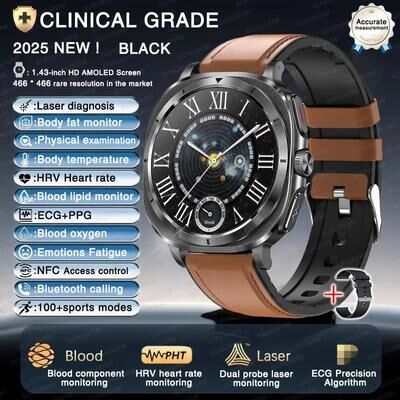
Inspire Select 2025 AMOLED ECG Smart Watch Bluetooth Call NFC Fitness & Wellness Tracker redStay connected while tracking your daily wellness with this advanced ECG smart watch designed for fitness, health monitoring, and smart convenience. Featuring a premium AMOLED smartwatch display, Bluetooth calling, NFC support, and intelligent...279,98 $*Shipping: 0,00 $Secure redirect to the provider
-
Inspire Select 2025 AMOLED ECG Smart Watch Bluetooth Call NFC Fitness & Wellness Tracker black LeatherStay connected while tracking your daily wellness with this advanced ECG smart watch designed for fitness, health monitoring, and smart convenience. Featuring a premium AMOLED smartwatch display, Bluetooth calling, NFC support, and intelligent...293,99 $*Shipping: 0,00 $Secure redirect to the provider
-
Inspire Select 2025 AMOLED ECG Smart Watch Bluetooth Call NFC Fitness & Wellness Tracker brown LeatherStay connected while tracking your daily wellness with this advanced ECG smart watch designed for fitness, health monitoring, and smart convenience. Featuring a premium AMOLED smartwatch display, Bluetooth calling, NFC support, and intelligent...293,96 $*Shipping: 0,00 $Secure redirect to the provider


-
How do I avoid muscle soreness in the chest during fitness training?
To avoid muscle soreness in the chest during fitness training, it is important to gradually increase the intensity and volume of your workouts to allow your muscles to adapt. Make sure to warm up properly before starting your workout and cool down afterwards to help prevent muscle stiffness. Additionally, ensure you are using proper form and technique during exercises to avoid unnecessary strain on the chest muscles. Lastly, stay hydrated, get enough rest, and consider incorporating stretching and foam rolling into your routine to help alleviate muscle soreness. **
-
Why don't I have muscle soreness after the fitness training as a beginner?
As a beginner, you may not experience muscle soreness after fitness training for a few reasons. Your body is not yet accustomed to the intensity of the workouts, so you may not be pushing your muscles to the point of causing significant damage. Additionally, beginners tend to focus on learning proper form and technique, which can help prevent excessive strain on the muscles. Lastly, your body may be efficiently recovering and adapting to the new exercise routine, minimizing the soreness typically experienced by more experienced individuals. **
-
What causes muscle soreness after basketball training?
Muscle soreness after basketball training is typically caused by microscopic damage to muscle fibers, which occurs when muscles are worked harder than they are used to. This damage leads to inflammation and the release of chemicals that can irritate nerve endings, resulting in the sensation of soreness. Additionally, the buildup of lactic acid in the muscles during intense exercise can contribute to muscle soreness. Proper warm-up, cool down, hydration, and stretching can help reduce muscle soreness after basketball training. **
-
"Does the soreness go away after training?"
Yes, soreness typically goes away after training as the body adapts to the physical stress and the muscles recover. This process is known as delayed onset muscle soreness (DOMS) and usually peaks within 24-72 hours after a workout before gradually subsiding. It's important to listen to your body and allow for proper rest and recovery to help alleviate soreness and prevent injury. Additionally, incorporating stretching, foam rolling, and proper nutrition can also help reduce soreness and aid in recovery. **


Is muscle soreness normal with regular training?
Yes, muscle soreness is normal with regular training, especially when starting a new exercise program or increasing the intensity or duration of workouts. This soreness, known as delayed onset muscle soreness (DOMS), is caused by microscopic damage to muscle fibers during exercise. It typically peaks 24-72 hours after a workout and can last for several days. However, as the body adapts to the training, the soreness should decrease over time. It's important to differentiate between normal muscle soreness and pain from injury, and to listen to your body and adjust your training as needed. **
What is muscle soreness in cardio training?
Muscle soreness in cardio training is the discomfort or pain experienced in the muscles after engaging in cardiovascular exercise. This soreness is often a result of the muscles being worked harder than they are used to, leading to microscopic damage and inflammation in the muscle fibers. It is a common and normal response to exercise, especially when starting a new workout routine or increasing the intensity or duration of the workout. Muscle soreness typically peaks 24-72 hours after the workout and gradually subsides as the muscles recover and adapt to the exercise. **
Top-Angebote
Products related to Soreness:
-
Universal Stock Smart Watch With Bluetooth Calling ECG PPG Fitness And Wellness Tracking Smart Watch With Bluetooth Calling ECG PPG Fitness And Wellness TrackingStay connected and keep everyday wellness insights close at hand with the 1 pc of MT200 health monitoring smartwatch. Its crisp 1.43inch approx 466 x 466 AMOLED touchscreen makes calls, notifications, activity stats, and watch faces easy to view....119,97 $*Shipping: 0,00 $Secure redirect to the provider
-
Inspire Select 2025 AMOLED ECG Smart Watch Bluetooth Call NFC Fitness & Wellness Tracker blueStay connected while tracking your daily wellness with this advanced ECG smart watch designed for fitness, health monitoring, and smart convenience. Featuring a premium AMOLED smartwatch display, Bluetooth calling, NFC support, and intelligent...279,98 $*Shipping: 0,00 $Secure redirect to the provider
-
LightInthebox Men's Outdoor Hiking Style Sneakers, Rugged Athletic Lace-Up Shoes for Men, Adventure Street Style for Hiking, Travel, Training Outdoor ActivitiesMaterials:Suede; Season:Spring,Summer,Fall,All Seasons; Gender:Men's; Size Suggestion:standard size, select your usual size; Toe Shape:Round Toe; Style:Casual,Vintage; Outsole Materials:Rubber; Occasion:Daily; Closure Type:Lace-up;...42,99 $*Shipping: 6,99 $Secure redirect to the provider
-
Inspire Select 2025 AMOLED ECG Smart Watch Bluetooth Call NFC Fitness & Wellness Tracker redStay connected while tracking your daily wellness with this advanced ECG smart watch designed for fitness, health monitoring, and smart convenience. Featuring a premium AMOLED smartwatch display, Bluetooth calling, NFC support, and intelligent...279,98 $*Shipping: 0,00 $Secure redirect to the provider
-
Why don't I have muscle soreness after my beginner fitness training?
Muscle soreness, also known as delayed onset muscle soreness (DOMS), typically occurs when muscles are subjected to unfamiliar or intense physical activity. As a beginner in fitness training, your muscles may not be accustomed to the level of stress placed on them during your workouts, which can lead to soreness. However, if you are not experiencing muscle soreness, it could be due to factors such as proper warm-up and cool-down routines, adequate hydration, and gradually increasing the intensity of your workouts. It's also possible that your body is adapting well to the exercises, resulting in less soreness. **
-
How to deal with severe muscle soreness after intense fitness training?
To deal with severe muscle soreness after intense fitness training, it's important to prioritize rest and recovery. Allow your body time to heal by taking a break from intense workouts and focusing on gentle stretching and low-impact activities like walking or swimming. Applying ice or heat to the sore muscles can also help alleviate discomfort. Additionally, consider incorporating foam rolling or massage therapy to help release tension and improve circulation in the affected muscles. Lastly, make sure to stay hydrated and consume a balanced diet rich in protein and nutrients to support muscle recovery. **
-
How do I avoid muscle soreness in the chest during fitness training?
To avoid muscle soreness in the chest during fitness training, it is important to gradually increase the intensity and volume of your workouts to allow your muscles to adapt. Make sure to warm up properly before starting your workout and cool down afterwards to help prevent muscle stiffness. Additionally, ensure you are using proper form and technique during exercises to avoid unnecessary strain on the chest muscles. Lastly, stay hydrated, get enough rest, and consider incorporating stretching and foam rolling into your routine to help alleviate muscle soreness. **
-
Why don't I have muscle soreness after the fitness training as a beginner?
As a beginner, you may not experience muscle soreness after fitness training for a few reasons. Your body is not yet accustomed to the intensity of the workouts, so you may not be pushing your muscles to the point of causing significant damage. Additionally, beginners tend to focus on learning proper form and technique, which can help prevent excessive strain on the muscles. Lastly, your body may be efficiently recovering and adapting to the new exercise routine, minimizing the soreness typically experienced by more experienced individuals. **
Similar search terms for Soreness
-
Inspire Select 2025 AMOLED ECG Smart Watch Bluetooth Call NFC Fitness & Wellness Tracker black LeatherStay connected while tracking your daily wellness with this advanced ECG smart watch designed for fitness, health monitoring, and smart convenience. Featuring a premium AMOLED smartwatch display, Bluetooth calling, NFC support, and intelligent...293,99 $*Shipping: 0,00 $Secure redirect to the provider
-
Inspire Select 2025 AMOLED ECG Smart Watch Bluetooth Call NFC Fitness & Wellness Tracker brown LeatherStay connected while tracking your daily wellness with this advanced ECG smart watch designed for fitness, health monitoring, and smart convenience. Featuring a premium AMOLED smartwatch display, Bluetooth calling, NFC support, and intelligent...293,96 $*Shipping: 0,00 $Secure redirect to the provider
-
LightInthebox Men's Outdoor Hiking Style Sneakers, Rugged Athletic Lace-Up Shoes for Men, Adventure Street Style for Hiking, Travel, Training Outdoor ActivitiesMaterials:Suede; Season:Spring,Summer,Fall,All Seasons; Gender:Men's; Size Suggestion:standard size, select your usual size; Toe Shape:Round Toe; Style:Casual,Vintage; Outsole Materials:Rubber; Occasion:Daily; Closure Type:Lace-up;...42,99 $*Shipping: 6,99 $Secure redirect to the provider
-
What causes muscle soreness after basketball training?
Muscle soreness after basketball training is typically caused by microscopic damage to muscle fibers, which occurs when muscles are worked harder than they are used to. This damage leads to inflammation and the release of chemicals that can irritate nerve endings, resulting in the sensation of soreness. Additionally, the buildup of lactic acid in the muscles during intense exercise can contribute to muscle soreness. Proper warm-up, cool down, hydration, and stretching can help reduce muscle soreness after basketball training. **
-
"Does the soreness go away after training?"
Yes, soreness typically goes away after training as the body adapts to the physical stress and the muscles recover. This process is known as delayed onset muscle soreness (DOMS) and usually peaks within 24-72 hours after a workout before gradually subsiding. It's important to listen to your body and allow for proper rest and recovery to help alleviate soreness and prevent injury. Additionally, incorporating stretching, foam rolling, and proper nutrition can also help reduce soreness and aid in recovery. **
-
Is muscle soreness normal with regular training?
Yes, muscle soreness is normal with regular training, especially when starting a new exercise program or increasing the intensity or duration of workouts. This soreness, known as delayed onset muscle soreness (DOMS), is caused by microscopic damage to muscle fibers during exercise. It typically peaks 24-72 hours after a workout and can last for several days. However, as the body adapts to the training, the soreness should decrease over time. It's important to differentiate between normal muscle soreness and pain from injury, and to listen to your body and adjust your training as needed. **
-
What is muscle soreness in cardio training?
Muscle soreness in cardio training is the discomfort or pain experienced in the muscles after engaging in cardiovascular exercise. This soreness is often a result of the muscles being worked harder than they are used to, leading to microscopic damage and inflammation in the muscle fibers. It is a common and normal response to exercise, especially when starting a new workout routine or increasing the intensity or duration of the workout. Muscle soreness typically peaks 24-72 hours after the workout and gradually subsides as the muscles recover and adapt to the exercise. **
* All prices are inclusive of VAT and, if applicable, plus shipping costs. The offer information is based on the details provided by the respective shop and is updated through automated processes. Real-time updates do not occur, so deviations can occur in individual cases. ** Note: Parts of this content were created by AI.